
Quick Summary
A professional recording studio is defined by an acoustically accurate control room, isolation booths that keep each take clean, and a range of microphones matched to different voices and instruments. Surround capability is important for film and TV projects that need 5.1 masters. An engineer with proven credits and clear communication shapes the final sound, while a clear policy on raw files, stems, and backups protects your work long after the session ends.
Hampton Roads carries a deep musical identity, shaped by gospel choirs, Navy town nightlife, and a hip hop scene that sent local producers onto national charts. That history still draws artists, podcasters, and filmmakers who want their work to sound world class. For anyone choosing a recording studio in Hampton Roads, the challenge is knowing which details separate a professional facility from a room with a microphone. Sound quality is built into walls, gear, and people long before you press record. Here is what a professional room should offer you.
A Control Room Built for Accurate Listening
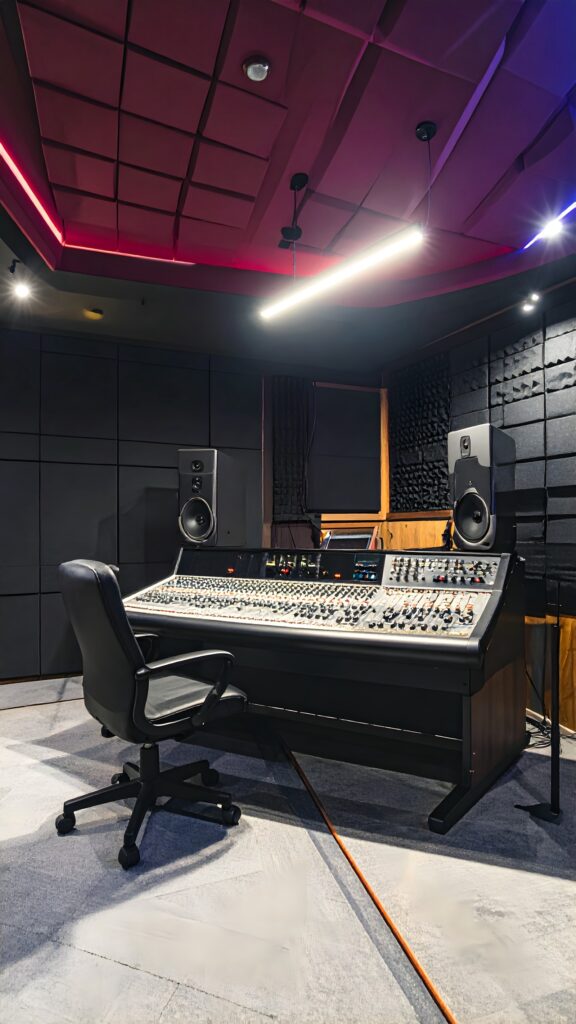
Every decision about your song gets made in the room where the engineer listens back. It should be acoustically treated so bass frequencies stay even and reflections off the walls do not color what you hear. Quality studio monitors placed at the right height and angle give a clear, honest picture of each vocal and instrument. When a control room is accurate, mixes translate well to earbuds, car stereos, and club systems alike. A poorly treated room can hide muddy low end or harsh highs until the track plays somewhere else and the flaws suddenly appear. Sit in the control room during a visit and listen to a song you know very well, then trust what your ears tell you.
Isolation Booths That Keep Each Take Clean
Separation between sound sources is what gives an engineer control later in the process. A proper vocal booth blocks outside noise, from traffic and air conditioning to footsteps in the hallway, so nothing unwanted sneaks into a quiet verse. It also stops your voice from bouncing off hard surfaces and returning to the microphone as a hollow echo that no plugin can remove. For bands, extra booths let amps and drums play together without one bleeding into the other’s microphones, which means a single guitar part can be fixed without redoing the entire take. Look for a comfortable booth with good sightlines to the control room, since eye contact with your engineer keeps the session moving. Ventilation and lighting count as well, as a stuffy booth wears down a vocalist faster than any long take.
Microphones Suited to Every Voice or Instrument
Choice is the real advantage of a deep microphone collection, since no single model flatters every sound. A warm condenser might make one singer sound rich and full while making another sound thin or sharp. Moving coil models handle loud sources like guitar cabinets and snare drums, while ribbon microphones add smoothness to brass and strings. An experienced engineer will often test two or three options on your voice before the first real take begins. Preamps and converters shape the signal right after the microphone, so they deserve attention too, as they color tone and detail in ways you can hear on playback. Ask what your vocal chain will be, since a confident, specific answer shows a team that knows its tools inside and out.
Surround Sound Capability for Film or TV Work
Music for streaming usually lives in stereo, but film, television, and game audio often play through more speakers. A 5.1 setup uses five full range speakers placed around the listener plus one subwoofer for low frequency effects. Mixing in that format requires a room carefully calibrated for surround playback and an engineer who understands how sound moves around an audience. Dialogue usually anchors to the center speaker, while music and ambience fill the sides and rear to wrap around the viewer. Without a surround capable room, a film soundtrack has to be finished somewhere else, which adds time and extra file handoffs. Work headed for theaters, broadcast, or streaming platforms with surround support benefits from a studio that can deliver both stereo and 5.1 masters.
An Engineer with Proven Credits
Talent behind the console shapes a recording as much as any piece of gear in the building. Ask to hear finished songs the engineer has recorded or mixed, ideally in your genre or one close to it. Credits on released projects show that their work has already passed the standards of labels, broadcasters, or editorial streaming playlists. Communication style counts just as much as technical skill, especially if this is one of your first sessions in a professional room. A good engineer explains choices clearly, offers ideas without taking over, and keeps the energy steady through long, demanding nights of retakes. Pay attention to how quickly they understand your reference tracks, as that speed often predicts how smoothly the rest of your project will run.
Clear File Delivery after Your Session
Ownership of your recordings should never be a mystery once the session wraps. Before booking, confirm in writing that you will receive your raw multitrack files, your stems, and your final mixes in high resolution formats rather than compressed copies. The Recording Academy’s Producers & Engineers Wing publishes technical guidelines for delivering recorded music projects that outline how professional sessions should be organized, labeled, and archived. Following a standard like that makes it easy to bring your files to another engineer, a label, or a sync licensing deal years later. Ask how long session files are stored and whether backups are kept in more than one location. Clear mixing and mastering deliverables protect years of creative work from one lost hard drive or corrupted file.
Your Next Project Starts at Black Label Multimedia
A professional studio earns your trust through the details you can hear and the people you can rely on. Treated rooms, clean isolation, the right microphones, and an experienced engineer combine into recordings that hold up anywhere they are played, from earbuds to theater speakers. Knowing what to listen for puts you in full control of where your music gets made.
Black Label Multimedia has served artists across Hampton Roads since 2005, and our team includes a Grammy Award engineer. We were the first 5.1 recording studio on the East Coast, so we deliver stereo and surround masters for music, film, and TV under one roof. From tracking to mastering, your project stays with one team from start to finish. Need a professional read for a commercial or an audiobook? Our voiceover studio is ready for that work too.
Come see the room for yourself, and hear exactly what your next record could sound like.